

A book can have a clear topic and still lack cohesiveness. A critical step in developing nonfiction is to find your core message. In this article, we look at what it is, why it’s important, and how to find one—with practical examples.
Writing Longer: How to Shift from Blog t...

It’s easy to misjudge the distance when making the leap from blog to book. In this article, we take a look at some of the key differences between short-form and long-form writing as well as provide tips for going long more effectively.
Emotional Anchors: Guide Words to Direct...
Different books should evoke different emotions in the reader. Emotional anchors—cue words—can keep writers connected to their reader’s felt experience. By focusing on the intended reader feeling, you can better shape your book’s structure, tone, depth, and more.
For Book-Quality Clean, You Need More Th...

Nonfiction books often require multiple editors. This article explains the four major types of editing and how to know what you need.
Why We Read—and How It Makes Us Better W
Why do we read? For any number of reasons, from learning and moral guidance to entertainment and comfort. We can also use reading to be better writers. This article offers a short reflection on both.
Who Said It? 3 Best Practices for Quotin...
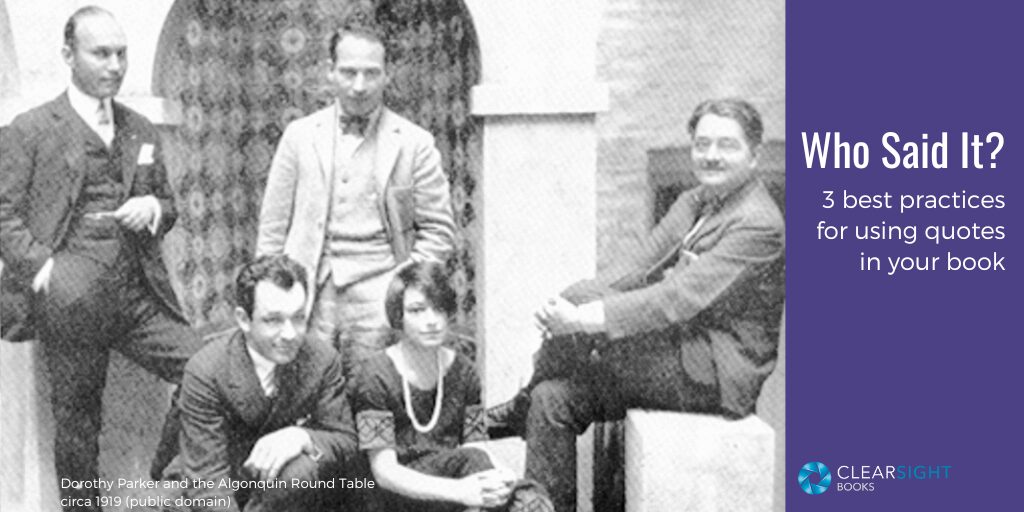
A quote can powerfully underscore a point you want to make in your writing. But many authors neglect to make sure the quotes they use are correct and clearly identified as quotes. Here are three best practices for incorporating quotes in your writing.
Using Editorial Style Sheets to Save Tim...

An editorial style sheet is a mini rule book for your book manuscript. While editors use style sheets regularly, writers can also benefit from this handy tool. Here we describe what a style sheet is, what goes into one, and how it helps your writing project.
Complex Ideas and Creating Clarity for R...
When sharing a complex concept, creating clarity for your readers is critical–especially for those who are new to the topic. This article offers 7 ways to enhance comprehension and cultivate readers willing to take mental leaps with you.
What type of nonfiction book should you ...

What type of nonfiction book should you write to tell your story? Memoir might seem like the obvious choice, but based on a number of factors, a knowledge-based book could be better.
Beta Readers: The Fresh Perspective You ...

Beta readers give authors perspective on what’s working and what’s not. Here, we cover alpha, beta, SME and sensitivity readers.
Poetry and Nonfiction: A Beautiful Coupl...
Poetry and nonfiction might seem like unlikely bedfellows, but nonfiction writers can learn a lot from poetry, use it to get unstuck, and maybe even incorporate some techniques!
Does your book need a foreword, preface,...

At the beginning of your book, should you have a foreword, preface, or introduction? This post is a primer on what they’re for and whether you need them.